Scott Angus MacLennan

Scott Angus MacLennan

Senior Lecturer · Geochronologist & Field Geologist

School of Geosciences, University of the Witwatersrand

Learn more

Biography

I am a senior lecturer at the University of the Witwatersrand in South Africa. I am a specialist in geochronology, structural geology, tectonics and stratigraphy. Prior to starting my job at Wits I was a doctoral researcher at the University of Arizona working with Mauricio Ibanez-Mejia and Francois Tissot. We were working on developing new stable isotope systems for investigating crustal and magmatic processes. I did my PhD at Princeton University with Blair Schoene and Adam Maloof where I primarily used high precision geochronology to constrain crustal, environmental and climate processes across Earth history.

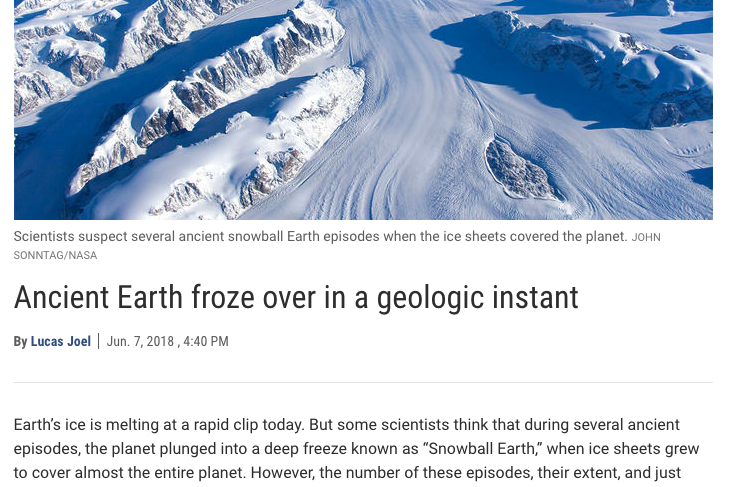
I am very experienced in both field geology and analytical geochemistry. I utilize both these tools to investigate my primary interests: the crustal and climate evolution of our planet. These interests led me to work on temporally constraining the deformation history of the Archean Pilbara craton in order to better understand early Earth geodynamics. My interest in Earth's long term climate evolution led to my work on the Neoproterozoic Snowball Earth events, periods in time where the silicate weathering feedback apparently broke down completely and the entire planet was covered in ice.

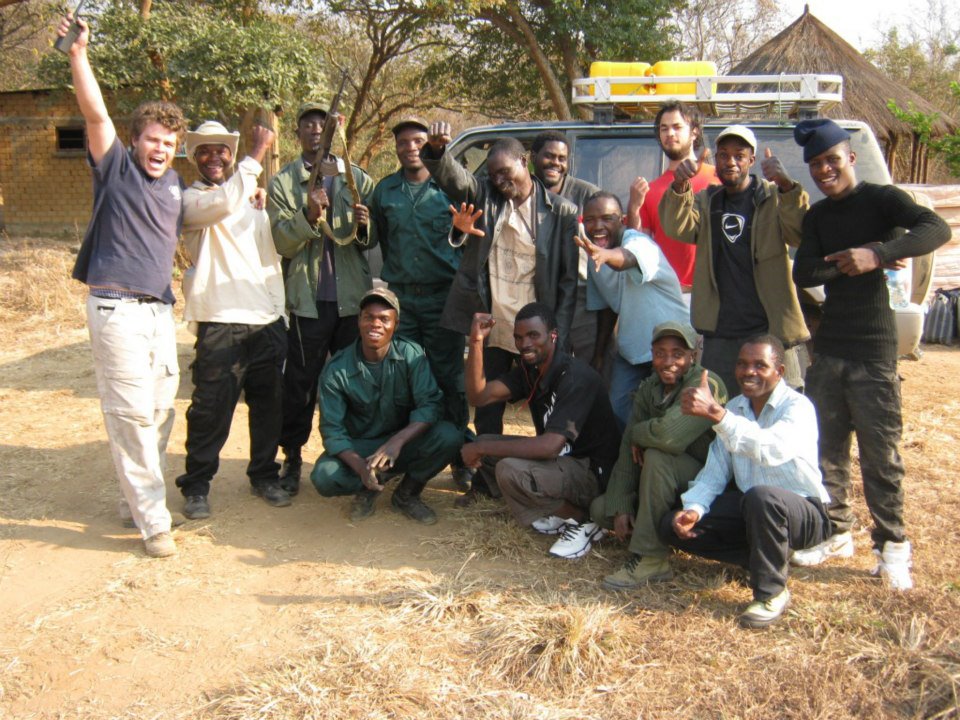
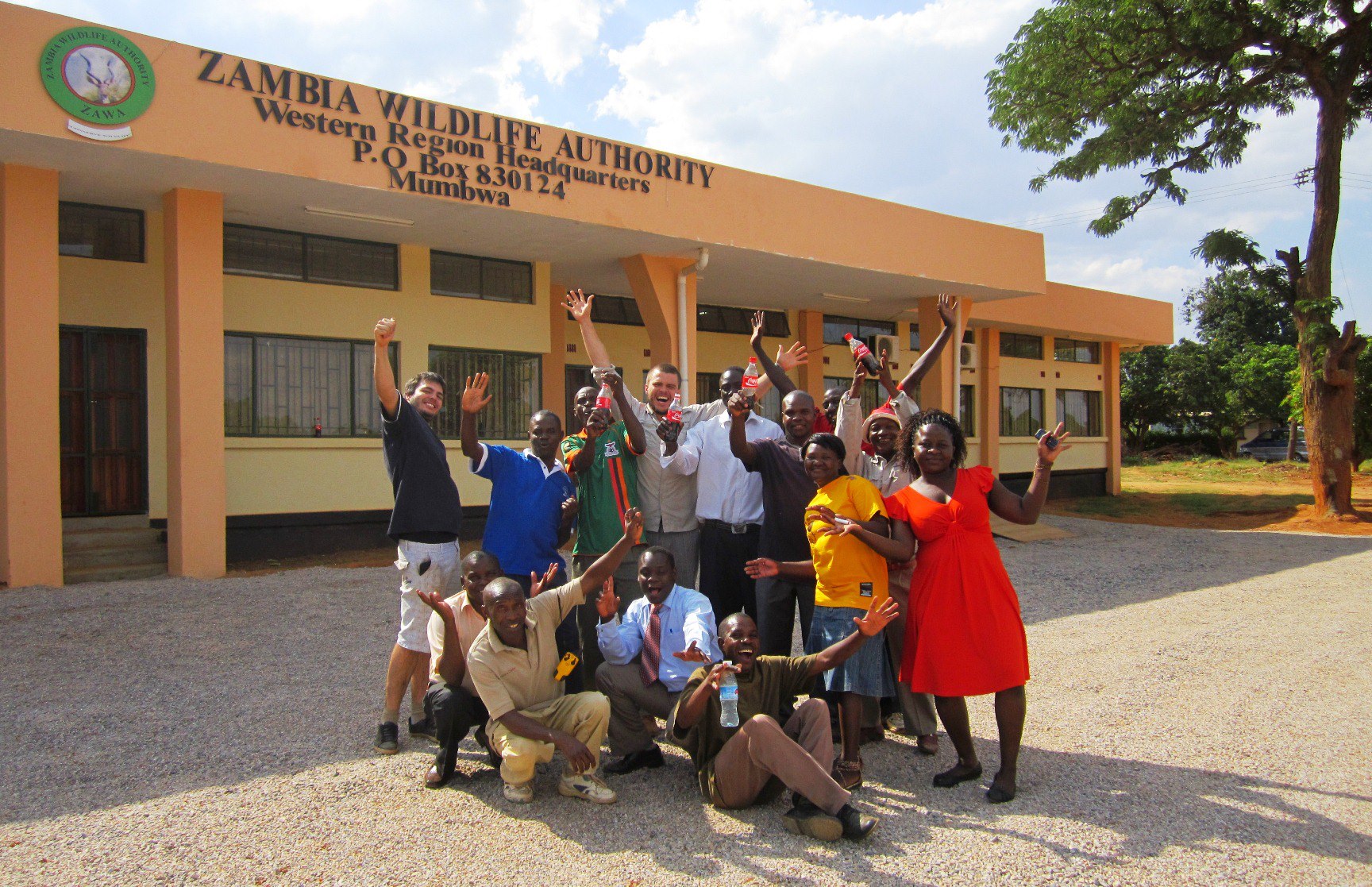
Prior to graduate school at Princeton, I worked in the mineral exploration for two years. I worked primarily in central Zambia looking for Iron Oxide Copper Gold (IOCG) deposits. I also spent some time in southern Saudi Arabia working on orogenic gold deposits.

Going forward, I'm very interested in continuing to work on Proterozoic and Archean stratigraphy across southern Africa to try get a deeper understanding of the tectonic, climate and biological boundary conditions that led to the catastrophic Snowball Earth events. Additionally, I'm really interested in creating better temporal and geochemical constraints on the depositional, tectonic and magmatic histories of the Archean crust so that we can develop more accurate models for the early Earth. I am also interested in developing new, or trying to improve existing mechanisms for the geologic storage of CO2.

Download CV

Publications

Selected peer-reviewed research. Click an abstract to expand it, or follow the link to the published PDF.

Konnarock field area
Science Advances · 2020

Geologic evidence for an icehouse Earth before the Sturtian global glaciation

S. A. MacLennan, M. P. Eddy, A. J. Merschat, A. Mehra, P. W. Crockford, A. C. Maloof, S. Southworth, B. Schoene

Snowball Earth episodes, times when the planet was covered in ice, represent the most extreme climate events in Earth's history. Yet, the mechanisms that drive their initiation remain poorly constrained. Current climate models require a cool Earth to enter a Snowball state. However, existing geologic evidence suggests that Earth had a stable, warm, and ice-free climate prior to the Neoproterozoic Sturtian global glaciation (ca. 717 Ma). Here, we present eruption ages for three felsic volcanic units interbedded with glaciolacustrine sedimentary rocks from southwest Virginia, USA, that demonstrate that glacially influenced sedimentation occurred at tropical latitudes ca. 751 Ma. Our findings are the first geologic evidence of a cool climate teetering on the edge of global glaciation several million years prior to the Sturtian Snowball Earth.

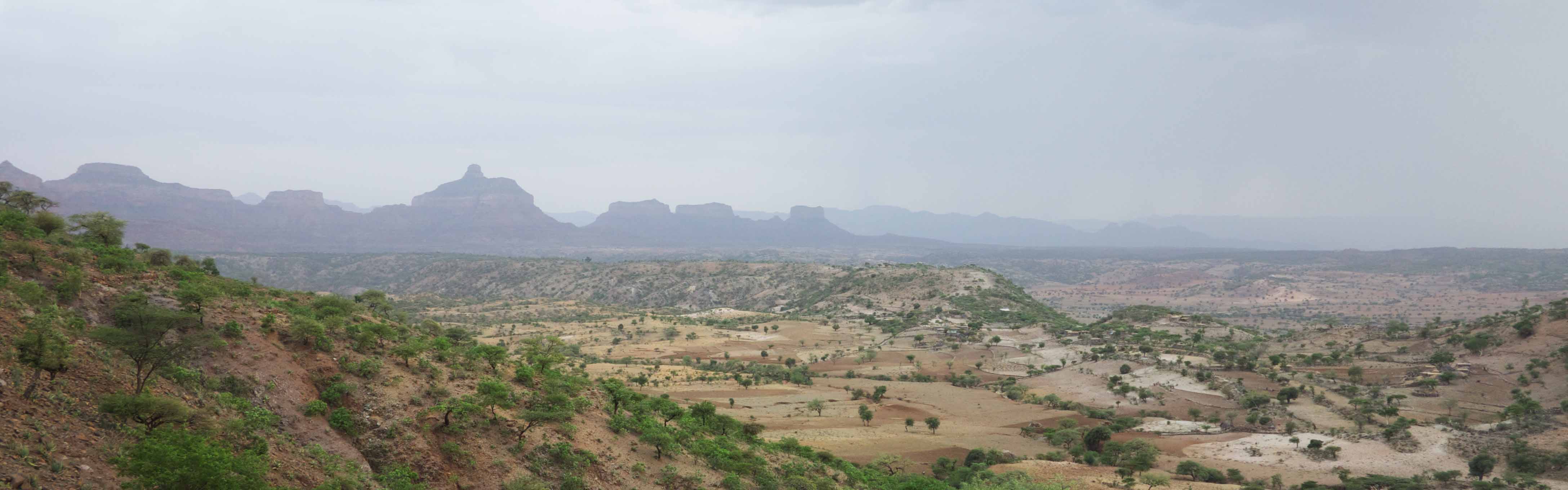
Tigray teff fields, Ethiopia
GSA Bulletin · 2019

The lead-up to the Sturtian Snowball Earth: Neoproterozoic chemostratigraphy time-calibrated by the Tambien Group of Ethiopia

Y. Park, N. Swanson-Hysell, S. A. MacLennan, A. Maloof, M. Gebreslassie, M. M. Tremblay, B. Schoene, M. Alene, E. Antilla, T. Tesema, B. Haileab

The Tonian-Cryogenian Tambien Group of northern Ethiopia is a mixed carbonate-siliciclastic sequence that culminates in glacial deposits associated with the first of the Cryogenian glaciations—the Sturtian "Snowball Earth." Tambien Group deposition occurred atop arc volcanics and volcaniclastics of the Tsaliet Group. New U-Pb isotope dilution−thermal ionization mass spectrometry (ID-TIMS) dates demonstrate that the transition between the Tsaliet and Tambien Groups occurred at ca. 820 Ma in western exposures and ca. 795 Ma in eastern exposures, which is consistent with west to east arc migration and deposition in an evolving back-arc basin. The presence of intercalated tuffs suitable for high-precision geochronology within the Tambien Group enable temporal constraints on stratigraphic data sets of the interval preceding, and leading into, the Sturtian glaciation. Recently discovered exposures of Sturtian glacial deposits and underlying Tambien Group strata in the Samre Fold-Thrust Belt present the opportunity to further utilize this unique association of tuffs and carbonate lithofacies. U-Pb ID-TIMS ages from zircons indicate that Tambien Group carbonates were deposited from ca. 820 Ma until 0−2 m.y. before the onset of the Sturtian glaciation, making the group host to a relatively complete carbonate stratigraphy leading into this glaciation. New δ¹³C and ⁸⁷Sr/⁸⁶Sr data and U-Pb ID-TIMS ages from the Tambien Group are used in conjunction with previously published isotopic and geochronologic data to construct newly time-calibrated composite Tonian carbon and strontium isotope curves. Tambien Group δ¹³C data and U-Pb ID-TIMS ages reveal that a pre-Sturtian sharp negative δ¹³C excursion (referred to as the Islay anomaly in the literature) precedes the Sturtian glaciation by ∼18 m.y., is synchronous in at least two separate basins, and is followed by a prolonged interval of positive δ¹³C values. The composite Tonian ⁸⁷Sr/⁸⁶Sr curve shows that, following an extended interval of low and relatively invariant values, inferred seawater ⁸⁷Sr/⁸⁶Sr rose ca. 880−770 Ma, then subsequently decreased leading up to the ca. 717 Ma initiation of the Sturtian glaciation. These data, when combined with a simple global weathering model and analyses of the timing and paleolatitude of large igneous province eruptions and arc accretion events, suggest that the ⁸⁷Sr/⁸⁶Sr increase was influenced by increased subaerial weathering of radiogenic lithologies as Rodinia rifted apart at low latitudes. The following ⁸⁷Sr/⁸⁶Sr decrease is consistent with enhanced subaerial weathering of arc lithologies accreting in the tropics over tens of millions of years, lowering pCO₂ and contributing to the initiation of the Sturtian glaciation.

Samre area fieldwork
Geology · 2018

The arc of the Snowball: U-Pb dates constrain the Islay anomaly and the initiation of the Sturtian glaciation

S. A. MacLennan, Y. Park, N. Swanson-Hysell, A. Maloof, B. Schoene, M. Gebreslassie, E. Antilla, T. Tesema, M. Alene, B. Haileab

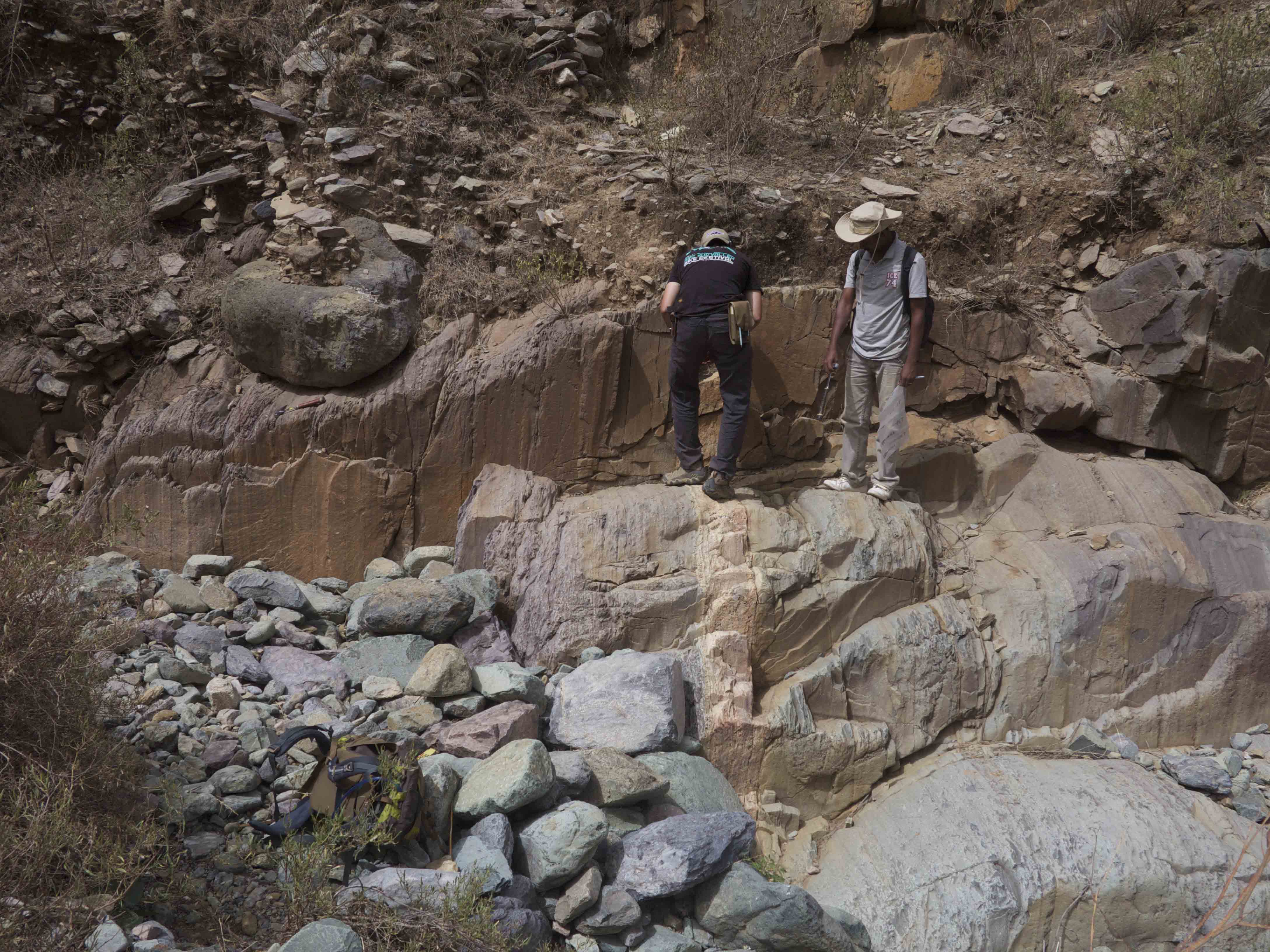
In order to understand the onset of Snowball Earth events, precise geochronology and chemostratigraphy are needed on complete sections leading into the glaciations. While deposits associated with the Neoproterozoic Sturtian glaciation have been found on nearly every continent, time-calibrated stratigraphic sections that record paleoenvironmental conditions leading into the glaciation are exceedingly rare. Instead, the transition to glaciation is normally expressed as erosive contacts with overlying diamictites, and the best existing geochronological constraints come from volcanic successions with little paleoenvironmental information. We report new stratigraphic and geochronological data from the upper Tambien Group in northern Ethiopia, which indicates that the glacigenic diamictite at the top of the succession is Sturtian in age. U-Pb zircon dates obtained from two tuffaceous siltstones that are 74 and 84 m below the diamictite are 719.68 ± 0.46 Ma and 719.68 ± 0.56 Ma (2σ), respectively. We also report a U-Pb date of 735.25 ± 0.25 Ma from a crystal-rich tuff located 2 m above the nadir of a high-amplitude, basin-wide, negative δ¹³C excursion previously correlated with the Islay anomaly. This age for the anomaly agrees with Re-Os age constraints from Laurentia, suggesting that the δ¹³C signal is globally synchronous and preceded the Sturtian glaciation by ~18 m.y. The interval between the Islay anomaly and Sturtian glaciation is recorded in the Tambien Group as an ~600 m succession of predominantly shallow-water carbonates and siliciclastics with δ¹³C values recording a prolonged period at +5‰, followed by an interval of lower, but still positive, values leading up to the glaciation. Our data are consistent with synchronous global onset of the Sturtian glaciation at ca. 717 Ma. Shallow-water carbonates in strata directly below the first diamictite suggest that glacial onset was rapid in terranes of the Arabian-Nubian Shield.

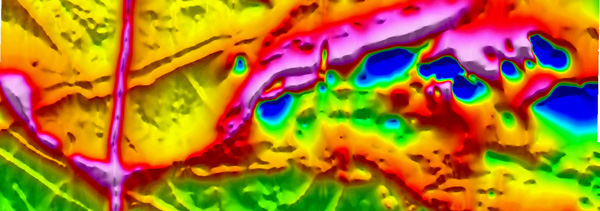
Aeromagnetic data from the Barberton Greenstone Belt
Geoscience Frontiers · 2018

Paleoarchean bedrock lithologies across the Makhonjwa Mountains of South Africa and Swaziland linked to geochemical, magnetic and tectonic data reveal early plate tectonic genes flanking subduction margins

M. de Wit, H. Furnes, S. MacLennan, M. Doucoure, B. Schoene, U. Weckmann, U. Martinez, S. Bowring

The Makhonjwa Mountains, traditionally referred to as the Barberton Greenstone Belt, retain an iconic Paleoarchean archive against which numerical models of early earth geodynamics can be tested. We present new geologic and structural maps, geochemical plots, geo- and thermo-chronology, and geophysical data from seven silicic, mafic to ultramafic complexes separated by major shear systems across the southern Makhonjwa Mountains. All reveal signs of modern oceanic back-arc crust and subduction-related processes. We compare the rates of processes determined from this data and balance these against plate tectonic and plume related models. Robust rates of both horizontal and vertical tectonic processes derived from the Makhonjwa Mountain complexes are similar, well within an order of magnitude, to those encountered across modern oceanic and orogenic terrains flanking Western Pacific-like subduction zones. We conclude that plate tectonics and linked plate-boundary processes were well established by 3.2–3.6 Ga. Our work provides new constraints for modellers with rates of a 'basket' of processes against which to test Paleoarchean geodynamic models over a time period close to the length of the Phanerozoic.

Research Projects

Ongoing and recent research themes spanning Archean geodynamics and the Neoproterozoic climate–carbon system.

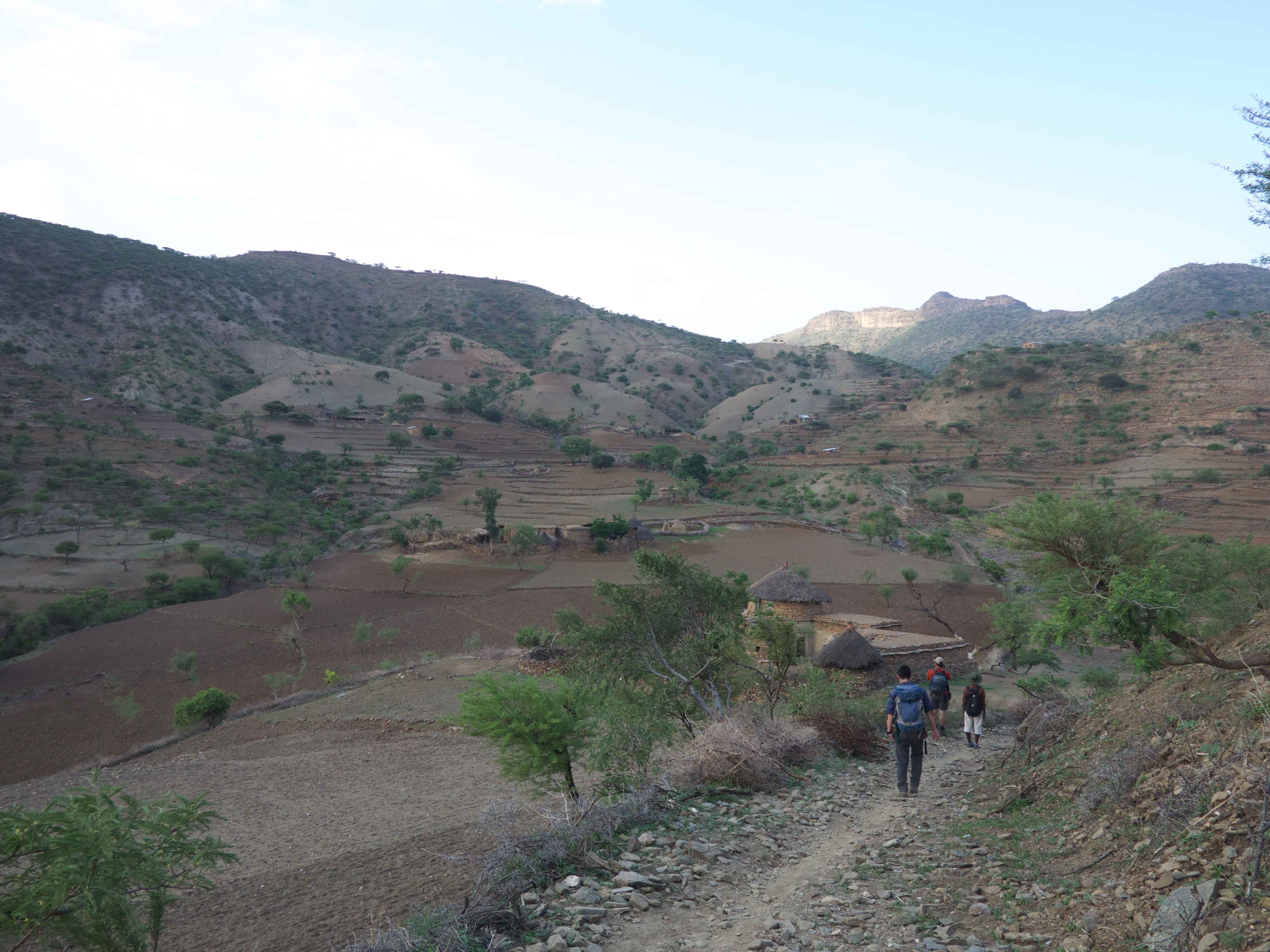
Samre area, northern Ethiopia

Snowball Earth Geochronology

GeochronologyNeoproterozoicSturtian

U-Pb zircon age constraints on the Sturtian Glaciation from northern Ethiopia and Virginia, USA.

The Snowball Earth Hypothesis predicts that there were periods during Earth history where the entire planet was covered in ice. The primary evidence for this comes from paleomagnetic constraints on glacial rocks that indicate glaciers were present at low latitudes at sea level during certain time periods in the Neoproterozoic.

One of the key predictions of the Snowball Earth hypothesis is that glacial deposits from all around the world should have a very similar age, as the onset to glacial conditions should take thousands of years. This is well within the uncertainty of dating techniques, which is around 500,000 years in the Neoproterozoic.

Summary diagram of preSturtian sections
Summary diagram of our work in Ethiopia with other preSturtian sections with age constraints from around the world for context.

The Neoproterozoic sedimentary rocks in northern Ethiopia are a great place to test this prediction out, as they consist of a relatively well preserved sequence of shallow water carbonates and siliciclastics, with occasional interbedded tuffs. So we're able to get chemostratigraphic data from the carbonates, and U-Pb age constraints from the interbedded tuffs if there is zircon present.

We had some great success in Ethiopia, as we were able to find tuffaceous material stratigraphically very close to the Islay anomaly (a carbon isotope excursion that many used to think was associated with the onset of the first glaciation), as well as stratigraphically near the first unambiguous glacial sediments.

Felsic tuff from the Tsaliet Group
A felsic tuff from the Tsaliet Group in northern Ethiopia. Note the lapilli at the base of the tuff layer.

Building off of this success, my collaborators and I wanted to test whether all Neoproterozoic diamictites fit within the currently well constrained time limits of the Cryogenian. The problem is that most Neoproterozoic sedimentary basins are from passive margin tectonic settings so the possibility of finding felsic tuffs or extrusive volcanics is very low — that's what makes the Tambien Group so special!

Geologic map and geochronology of the Konnarock Formation
Geologic map and geochronology results for the Konnarock Formation. We used a Bayesian method to take individual zircon dates to come up with estimates for the eruption age of the rhyolite flows. The rhyolites get younger going up the stratigraphy so we can safely assume they constrain the age of the diamictites around them.

But there was one very promising candidate — the glacigenic Konnarock Formation in SW Virginia. These glacially influenced laminated fine siliciclastics were deposited during rifting along the eastern edge of Laurentia. Luckily there are rhyolite flows within the stratigraphy which are loaded with zircon and are therefore great targets for U-Pb dating. When we dated rhyolites up through the stratigraphy their ages satisfied stratigraphic order but implied these glacial sediments were about 30 million years older than the Sturtian Snowball Earth — a puzzle, given that Laurentia was at the equator at the time. See the paper in the Publications section above!

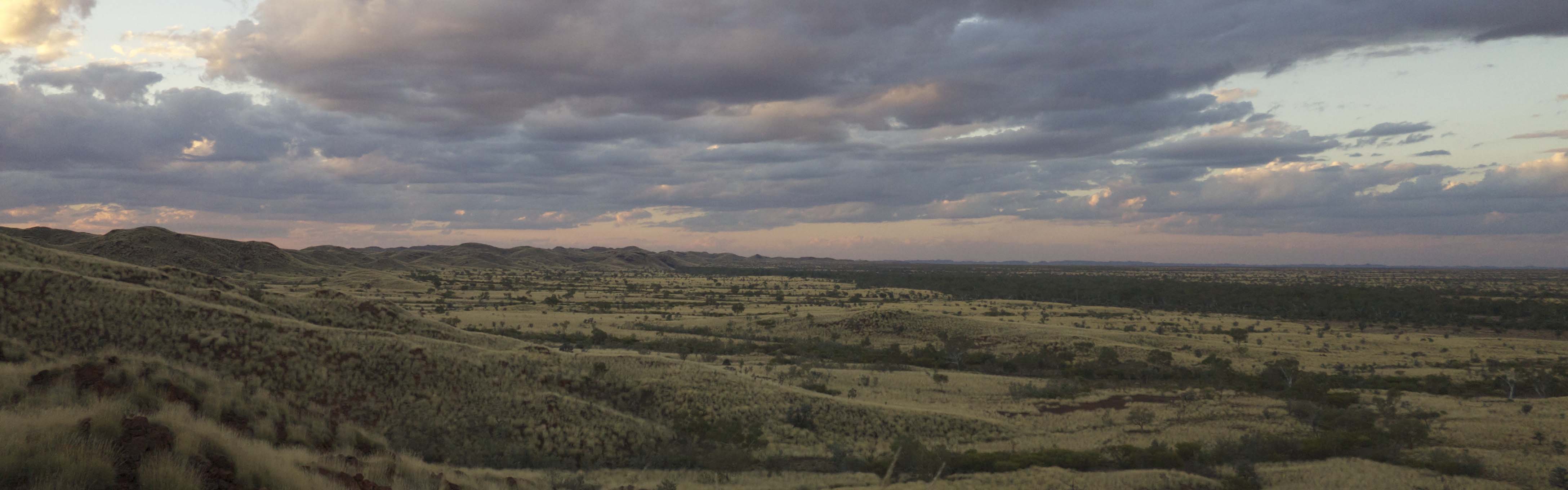
Pilbara granite-greenstone terrane at sunset

Thermochronological constraints on the evolution of the Pilbara craton

U-PbThermochronologyPilbaraArchean

U-Pb zircon and apatite ages provide insight into the structural and magmatic history of the craton.

The Pilbara craton is one of a select few well preserved fragments of Meso to Neoarchean continental crust. The eastern part of the craton contains the older Mesoarchean volcanics, sedimentary rocks, granites and felsic-gneisses. The supracrustal rocks and granite-gneisses have a map scale pattern that historically has been called a dome and keel pattern, where the granite-gneisses are ellipse shaped and the supracrustal rocks are arrayed around them.

Geological map of the eastern Pilbara craton
Geological map of the eastern Pilbara craton, showing the dome and keel structures, as well as a simple cartoon explaining the prevailing hypothesis for their formation.

The prevailing hypothesis is that these structures require partial convection within the crust, and require a stratified crust with dense mafic material on top of less dense felsic gneisses below in order to create gravitational instability. This hypothesis also requires a higher geotherm in the crust.

What we've been doing is using apatite U-Pb thermochronology to get new insight into the development of dome and keel structures. Pb diffusion in apatite is fast enough that essentially all radiogenic Pb is lost until temperatures cool below ~450°C, which coincides with temperatures in the middle crust. Since U-Pb ages are governed by volume diffusion, there is a strong prediction for grain size–age relationships, where larger grains should preserve older ages, and vice versa.

Apatite U-Pb isotopes via TIMS
An example of apatite U-Pb isotopes via thermal ionization mass spectrometry. Each ellipse is a single apatite grain. There is about 60 Myrs of age dispersion in the sample, which cannot occur through cooling after magmatic emplacement.
Laser ablation depth profiling of apatite
Illustration of laser ablation depth profiling. The images on the right show the hole size and depth left by the laser.

As well as TIMS whole-grain U-Pb ages of apatite, we are also experimenting with laser ablation depth profiling at UT Austin with Daniel Stockli, drilling ~40 microns while measuring Pb and U isotopes to generate depth profiles of U-Pb age. I've also made a finite difference model for Pb diffusion, with the aim of integrating a Bayesian sampler to efficiently search parameter space for the most likely thermal histories.

Diffusion model outputs and laser ablation age profiles
Model outputs from the diffusion model (left) compared with laser ablation age profiles vs depth (right). Steep Pb age profiles can be achieved through partial resetting, while flat profiles require late exhumation.
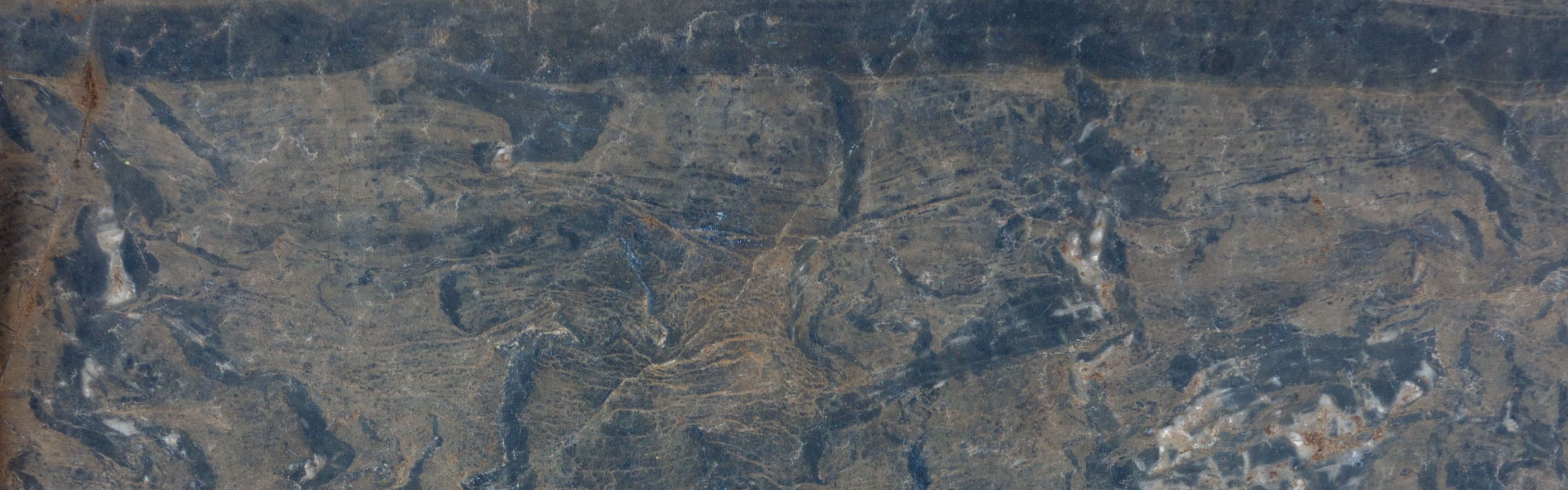
Molar tooth structures in Neoproterozoic micrite

Ca isotope constraints on the Neoproterozoic carbon cycle

Carbon cycleNeoproterozoicCa isotopes

Ca isotopes can help constrain the origin of heavy and light carbon isotope plateaus in the Neoproterozoic.

Carbon isotopes are a powerful tool for investigating the modern and ancient carbon cycle. There are observed global trends in benthic forams and carbon isotopes that lead us to believe that this system varies globally.

In the Neoproterozoic era carbon isotopes are a critical tool for comparing different sedimentary sections where no radiogenic isotope age constraints or biostratigraphic comparisons are available to correlate stratigraphic sections. Any sedimentary carbonates older than about 200 million years that are preserved today were deposited in a shallow water environment. Therefore, the presumption that carbon isotope signals represent global changes is very important.

Ca isotope data
Calcium isotopes as a test of the global significance of Neoproterozoic carbon isotope plateaus.

I am trying to test this presumption using Ca isotopes on Tonian carbonate sediments from Ethiopia, where they record −5 or +5 per mil carbon isotopes for long periods of time (~10 Ma).

News & Updates

Recent milestones, new papers and field stories.

White Mountains geochronology paper
Sep 8, 2022

New paper on the geochronology of the White Mountain granites, NE USA

Work done with Sean Kinney at Lamont-Doherty Earth Observatory on the White Mountain batholith is published!

Sean and I started working together while we were both in graduate school, he at Lamont and myself at Princeton. We ended up dating a bunch of stuff together from around the world. This was a great step forward getting a big data set published from the White Mountains. The high precision TIMS geochronology was done at Princeton, while Sean raised money for a large amount of laser ablation zircon data. What we found was that initiation of magmatism in the White Mountains preceded the Central Atlantic Magmatic Province by about 10 million years and progressed for the next ca. 30 million years! The next step is to put this protracted magmatism into the context of plate motion models to see if there are any connections with Pangea breakup.

University of the Witwatersrand
Apr 1, 2022

New position at the University of the Witwatersrand

Moving back to my home country of South Africa to start a job at Wits!

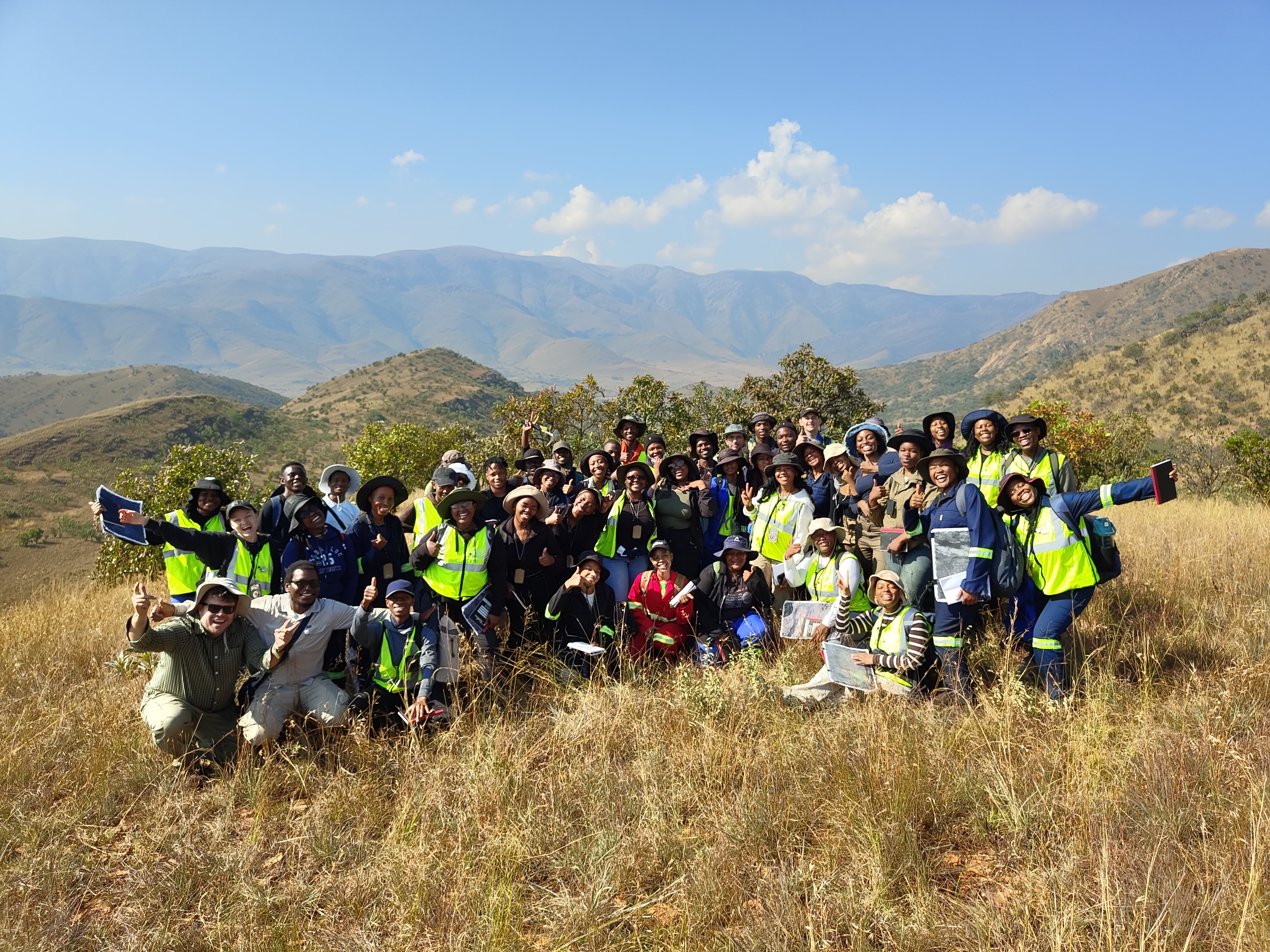
I am very happy to report that I am moving back to South Africa to start a faculty job at the University of the Witwatersrand. I am super excited to start new stratigraphy and tectonics projects in southern Africa working on Proterozoic and Archean rocks! Wits also has a lot of great new instrumentation getting installed soon: a Nu TIMS as well as a Nu ICP-MS with a collision cell!

Arizona geology
Apr 30, 2021

Moving to the University of Arizona

Moving to U of A to continue my postdoc.
My PI Mauricio Ibanez-Mejia got an offer to move to the University of Arizona last year, and after quite a few COVID and lab related delays I am now joining him and the rest of the group in Tucson! We just finished driving the lab equipment, rock samples and my furniture from upstate NY to Arizona.

Chinese Loess plateau dust sources
Oct 13, 2020

New paper on Chinese Loess deposits

A collaboration with a postdoc at U of Rochester resulted in a nice paper on the evolution of the Chinese Loess plateau.

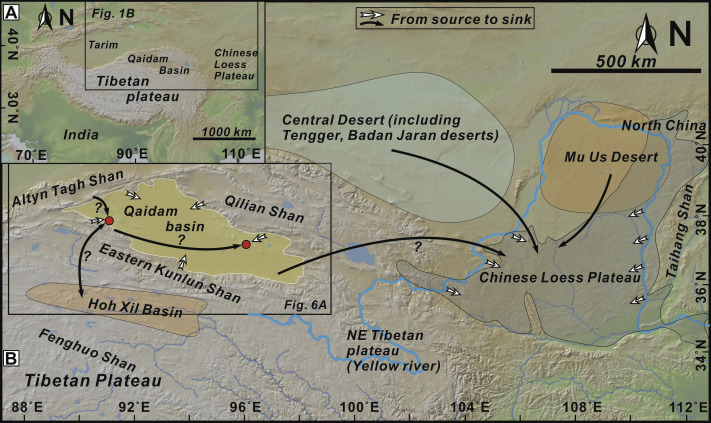
When I got to the University of Rochester I got an office with another postdoc called Feng Cheng (now at University of Nevada, Reno). While we only saw each other for a couple months before COVID descended, we got on really well and Feng asked if I wanted to get involved in a summary paper on dust origin for the Chinese Loess plateau. That paper is out now and I found the experience with Feng super productive and useful!
Map of the Tibetan plateau dust sources
Map of the Tibetan plateau showing the locations of potential dust sources for the Chinese Loess plateau.
Science Advances paper
Jun 1, 2020

Our Neoproterozoic glaciation geochronology paper is out in Science Advances

New dates show some glacial rocks precede the Sturtian!
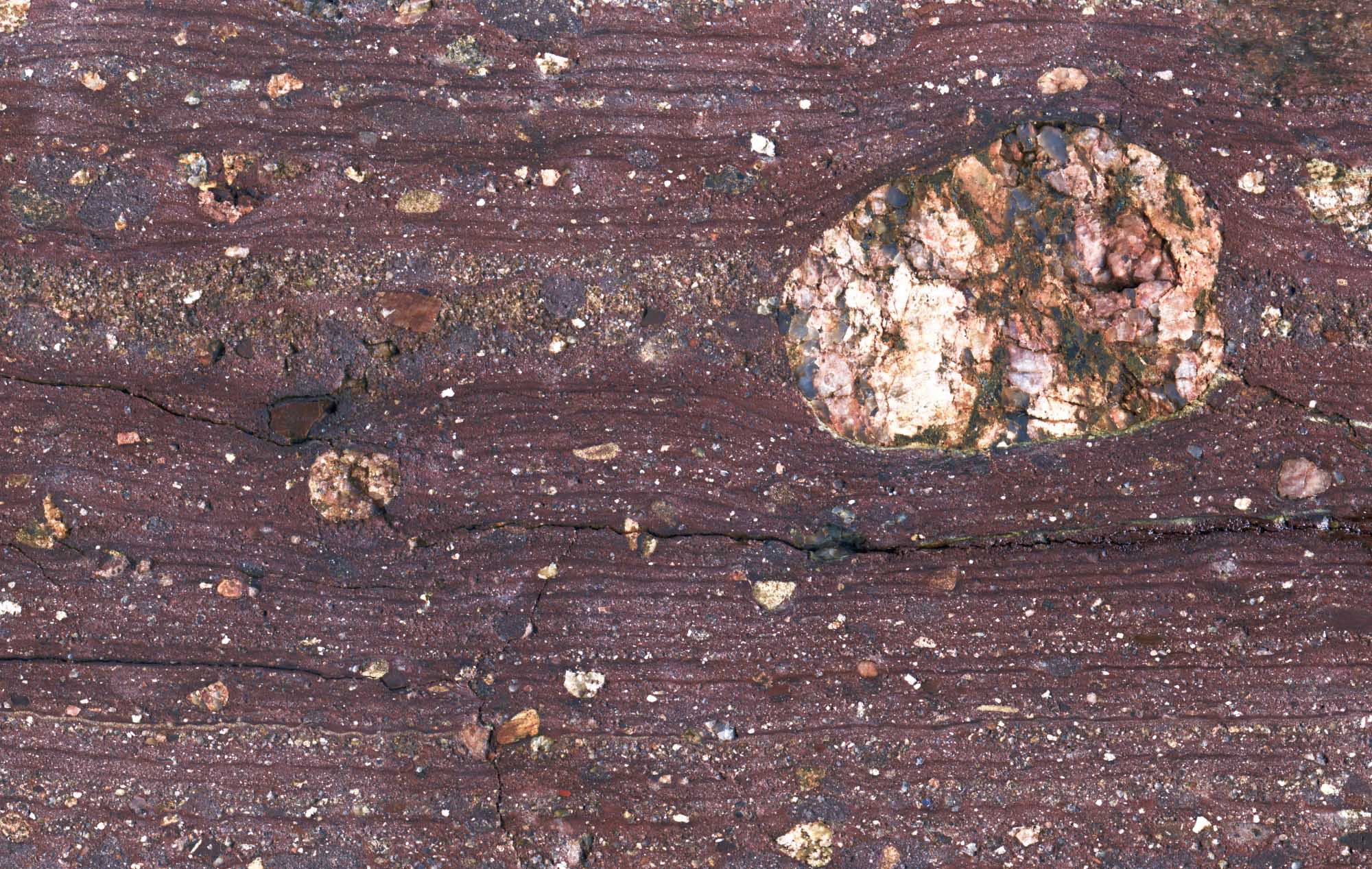
This was a bit of a labor of love, but our paper documenting the first depositional age constraints on the Konnarock Formation from Virginia is out in Science Advances: read it here.

Working on this project was a real pleasure — a bunch of friends from Princeton went down to Virginia to drink beer, eat BBQ and collect rhyolites for high precision geochronology! This work was inspired by a blog post by Callan Bentley, who summarized that the age of the Konnarock glacial diamictites was essentially unconstrained. Arthur Merschat from the USGS was in the process of getting a new map together of the area and his intuition was that the rhyolites were part of the stratigraphy. After we got the dates and it was clear that the Konnarock diamictites did not correlate in time with either of the Neoproterozoic snowball Earths, the job was then to think what these rocks implied for pre-Sturtian climate! Nadir Jeevanjee and Gabe Vecchi at Princeton were very happy to discuss these data and I learned a bunch about modern climate such as polar amplification — the process where the poles heat up much faster than the tropics.

PhD defense
Sep 30, 2019

I defended my PhD!

After quite a journey I've officially finished my PhD.
A bit of a life milestone — I finished my PhD! Now I'm off to the University of Rochester to start postdoctoral work with Mauricio Ibanez-Mejia and Francois Tissot (at Caltech). The end of the PhD process is tough...

Department trip to Scotland
2018

Department trip to Scotland

40 grad students, undergrads and faculty went for a week-long trip through southern and central Scotland.

The department went on a trip to Scotland! We saw some classic geology such as Hutton's unconformity, and Arthur's Seat.

Team heading to the Garbh Eileach islands
The team gets ready to go out to the Garbh Eileach islands to look at ~720 Ma carbonates and glacial diamictite thought to be related to the Sturtian Snowball Earth.
Departing the zodiacs onto Garbh Eileach
The group departs from the zodiacs onto Garbh Eileach.
Hutton's unconformity
Hutton's unconformity on the southern coast of Scotland: subvertical greywacke and shale overlain by gently dipping red sandstone and conglomerate.

Talks

Selected conference presentations.

Apr 7, 2018 · Woods Hole, Massachusetts, USA

U-Pb age constraints and chemostratigraphy from the pre-Sturtian Tambien Group, Ethiopia

North East Geobiology Conference

In order to further test the Snowball Earth hypothesis, and better understand the initiation of these events, precise geochronology and chemostratigraphy from complete stratigraphic sections is needed. Most sections prior to the Sturtian glaciation are incomplete due to erosive contacts with the first diamictites. Here we present sections from the Tambien Group in northern Ethiopia that go towards satisfying these requirements. The Tambien Group is composed of shallow water carbonates and siliciclastics suitable for carbon and calcium isotope measurements, and contains occasional tuffaceous units amenable to U-Pb zircon dating. A U-Pb TIMS age of ~735 Ma for a tuffaceous horizon located directly above the nadir of the Islay carbon isotope excursion confirms that this isotope anomaly precedes the Sturtian glaciation by ~18 Ma. Two dates from tuffaceous horizons 73 and 80 meters below the Negash diamictite confirm that it broadly correlates with the Sturtian glaciation. Using Monte Carlo simulations to estimate sediment accumulation rate, the age of the first glacial sediments in the Tambien Group is estimated to be ~717 Ma — in remarkable agreement with the only other high precision age constraint for the onset of the Sturtian glaciation (Laurentia), consistent with the global synchronicity expected under the Snowball Earth hypothesis.

Dec 15, 2017 · New Orleans, Louisiana, USA

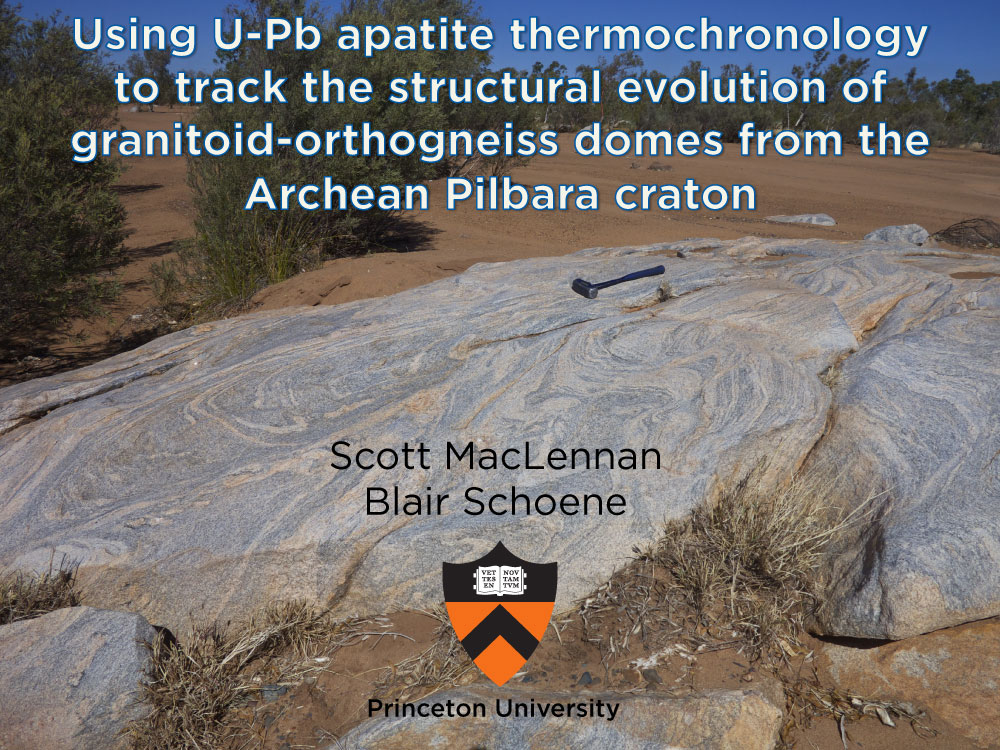
Using U-Pb apatite thermochronology to track the structural evolution of granitoid-orthogneiss domes from the Archean Pilbara craton

American Geophysical Union (AGU) Fall Meeting

Granitoid-orthogneiss domes are an important component of all Archean crustal terranes. The Eastern Pilbara craton contains well-preserved examples whose formation has been interpreted by many within a non-plate-tectonic paradigm that hinges on hotter crustal geotherms driving partial convective overturn of the crust. We use U-Pb thermochronometry in apatite, sensitive to mid-crustal temperatures (~400°C), to track exhumation of gneiss domes from the lower to upper crust. The convective overturn model predicts rapid (<50 Ma) exhumation at 3.25 Ga; in contrast, U-Pb apatite results show cooling ages spanning hundreds of Myr. Both gneissic and granitoid portions have apatite ages broadly synchronous with the proposed thermo-tectonic event at 3.25 Ga, but also ages much older (~3.4 Ga in the orthogneisses) and younger (3.0–3.15 Ga in the granitoids). Together these data indicate the eastern Pilbara craton experienced a ca. 400 Myr history of intrusion, deformation and exhumation, and highlight the utility of U-Pb in apatite for resolving tectonic histories with wide applications to cratonic or orogenic studies.

Teaching

I have been a teaching assistant for two main classes:

GEO 103 — Natural Disasters

An entry-level class aimed at getting non-majors acquainted with seismic and volcanic hazards, as well as climate change. We had a number of great physical analog demonstrations — one example was a jello volcano with relatively accurate dyke propagation!

GEO 378 — Mineralogy

An upper-level class where we teach students symmetry, crystal structure and mineral identification in hand samples. This also involves geochemistry and some basic plate tectonic theory.

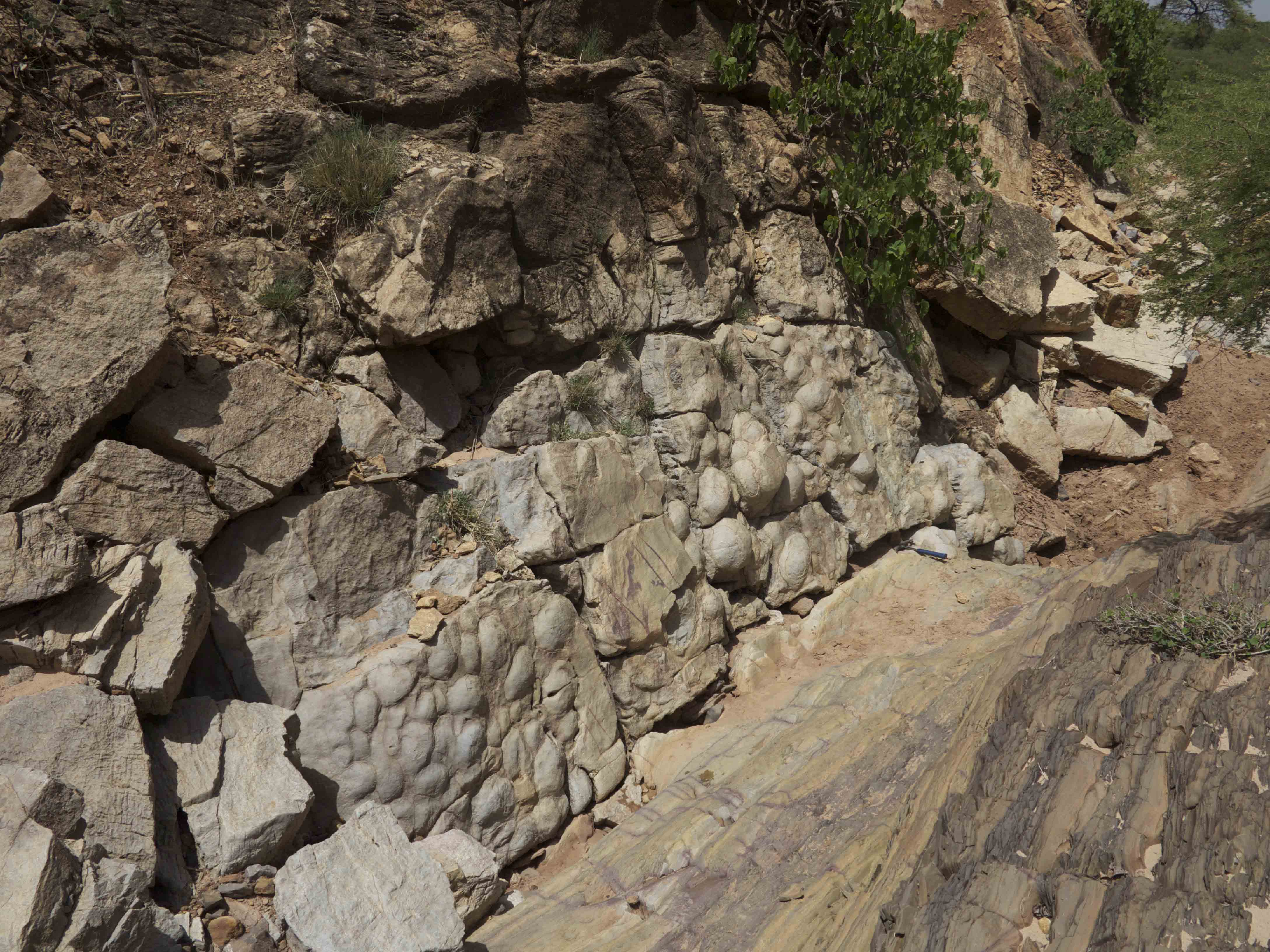
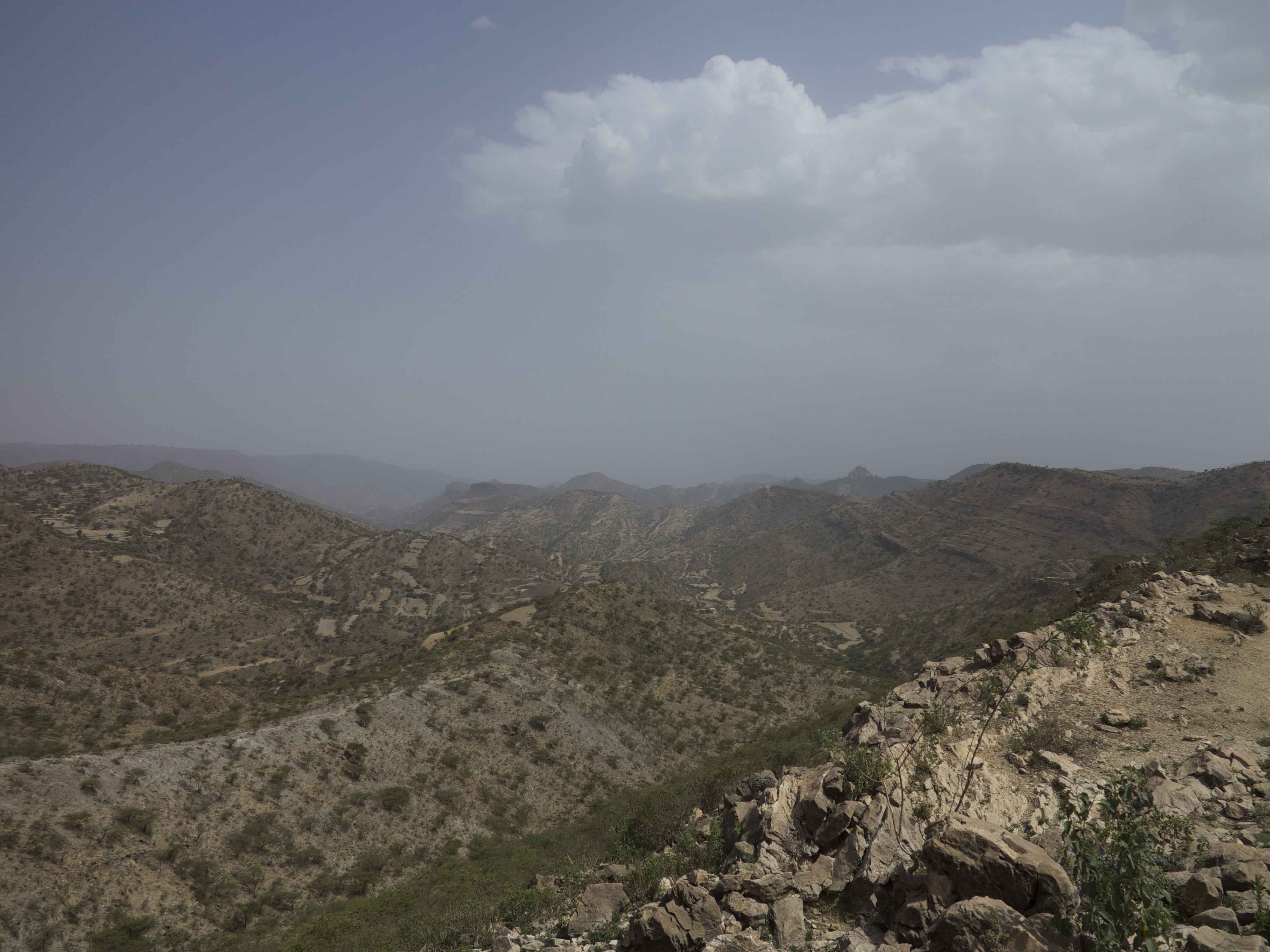
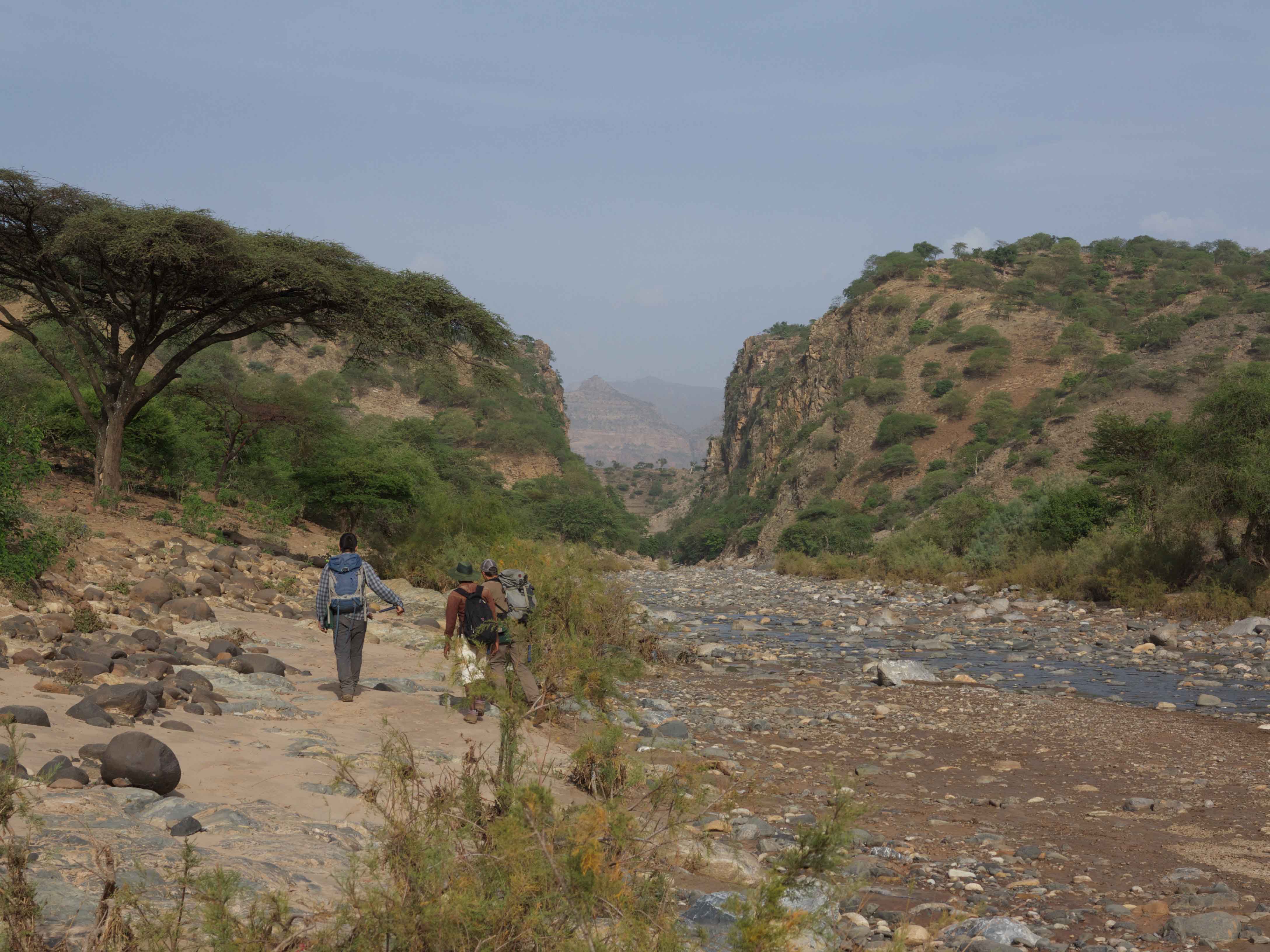
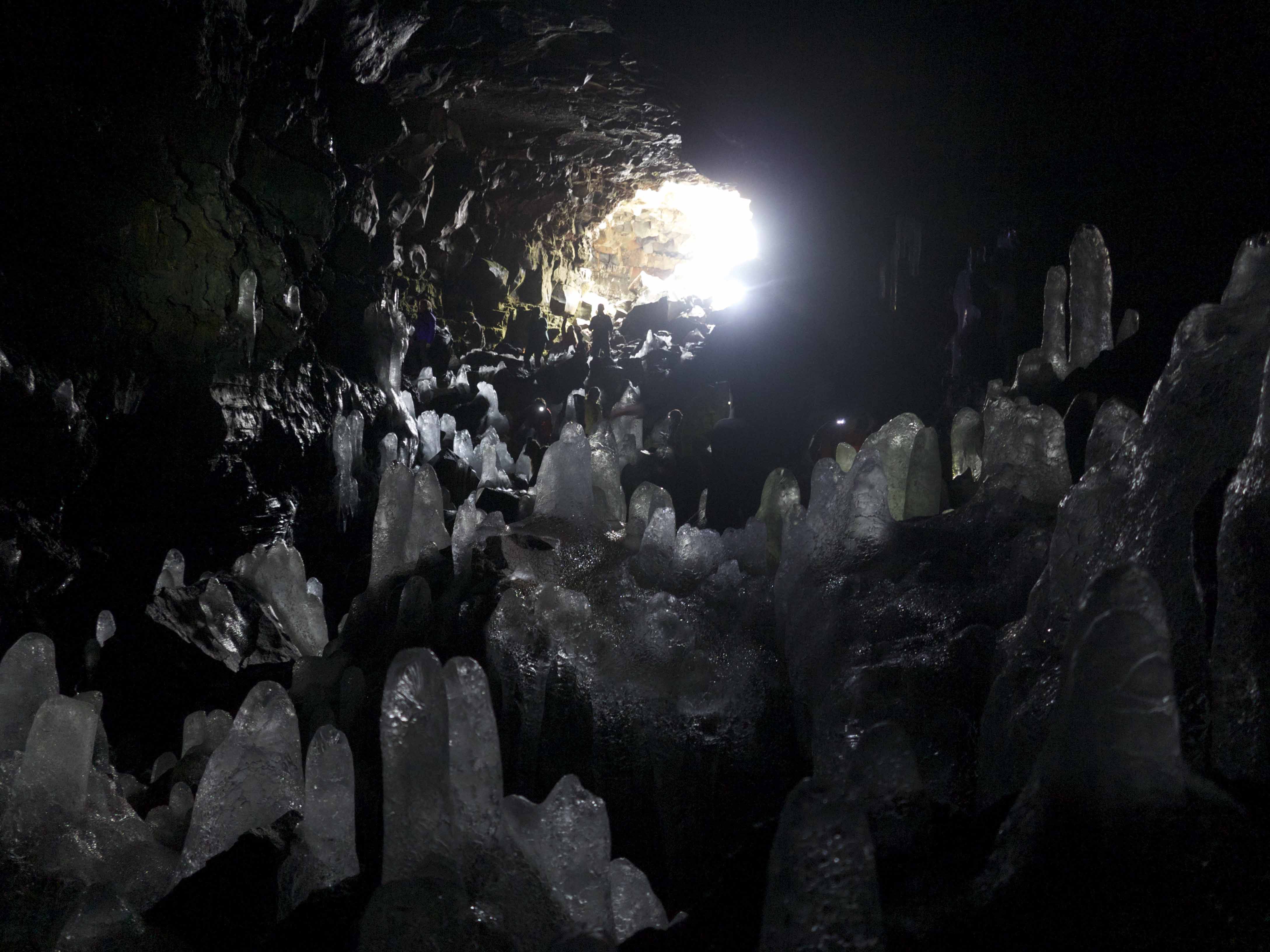
Field Photos

A selection of photos from the field. Click any image to view it larger.
Curriculum Vitae

For a full overview of my education, research, publications and field experience, download my CV.

Download CV (PDF)

Contact

Address

School of Geosciences, University of the Witwatersrand, Johannesburg, Gauteng, RSA